Landscape building and construction is where the attractive illustration theoretically meets mud, equipment, and community examiners. It is also where the long-lasting success of a residential property is quietly determined. A strong design assists, but the way that style is equated right into grading, drainage, walls, soil, and planting establishes whether a landscape still looks great five years later on or breaks down after the initial wet winter.
Having spent years strolling job websites with builders, customers, and city authorities, I have seen clever concepts fall short because of a missed detail, and simple styles prosper because the principles were dealt with well. Whether you are planning property landscaping around a new home, upgrading a courtyard in a business facility, or revamping tired yard landscaping, comprehending the full course from blueprint to yard provides you much better control over expense, top quality, and risk.
Where style meets construction
Landscape design and landscape building are frequently dealt with as separate globes. In technique, they overlap. Style decisions drive cost and methods, and construction realities press back on the design.
A landscape engineer or developer may sketch a sleek maintaining wall to take functional space. On website, the professional needs to identify how to build it safely, drain it, and meet regional codes. A growing strategy might call for sampling trees next to an underground parking lot. Someone has to verify that soil deepness and structural loading can sustain residential landscape contractors them.
The tasks that run efficiently are the ones where style and building inform each various other very early. There is a huge difference in between an illustration that looks great and one that can be developed within spending plan on a specific website with its particular soils, slopes, and energy constraints.
Reading the website before touching the soil
The initially serious work in landscape building and construction does not involve a shovel. It starts with site examination. Good landscaping companies, particularly on industrial landscape design projects, walk the ground greater than as soon as and at various times of day.
They search for how water in fact crosses the surface, not how the study says it should. They see wind patterns, noisy sides, and existing trees worth conserving. On household landscape design projects, I will certainly commonly stand at the major rooms and image what the owners will certainly see gone or from their liked seating areas. This educates both design and building and construction priorities.
Several technological assessments issue below:
- Existing qualities and drainage patterns: Are there low areas, indications of disintegration, or water against foundations? A landscape contractor checks out these as advising flags for future failures. Soil conditions: Sandy dirts drain pipes quickly yet need raw material to hold nutrients. Heavy clays hold water and can swell and diminish. Both extremes change the way you design subgrades, footings, and planting. Utilities and easements: Irrigation mainlines, lighting channels, and tree places all contend for underground and overhead room with gas, water, electrical, and communication lines. On business sites, control with civil and MEP (mechanical, electrical, pipes) strategies is essential. Existing vegetation and structures: Mature trees can be properties, however their roots make complex brand-new paving, wall surfaces, and utilities. A great plan protects what deserves maintaining and gets rid of the rest efficiently.
Skipping or hurrying this step is a typical source of surprise costs during construction. The even more exact your understanding of what exists underfoot, the tighter your budget plan and schedule can be.
Turning objectives into a buildable landscape design
Once the website is comprehended, the emphasis shifts to turning goals into a landscape layout that can actually be constructed. This is where top priorities end up being critical, particularly when budgets are tight.
On residential landscape design jobs, proprietors commonly feature a shopping list: outside kitchen area, fire attribute, health facility, lush planting, reduced upkeep, and a moderate spending plan. On commercial landscape design, developers and facility managers often tend to concentrate on toughness, security, and long-lasting operating cost more than elaborate plant palettes.
Good developers damage the task into layers:
Function and flow. Where do individuals get in and relocate? Where do cars turn, park, or lots? Exactly how will maintenance staff accessibility planting beds and devices? A beautiful garden that personnel can not get to without running over plants will certainly not stay beautiful long.
Grading and water drainage. This is the unglamorous backbone of landscape construction. Also small grade changes can make or damage accessibility and drainage. A patio area that rests too low by 50 millimeters can accumulate water at every rain, and fixing it later on is a lot more invasive than doing it ideal once.
Hardscape. Paving, walls, actions, decks, and frameworks should be dealt with before plant places are finalized. Hardscape drives structural needs, allows, and much of the expense. In commercial landscape design, this often consists of obtainable courses, visual ramps, loading areas, and conformity with neighborhood accessibility regulations.
Planting and dirt. Just when the structure is in area does it make good sense to settle varieties, spacing, and irrigation approaches. Dirt deepness and top quality, rather than plant tags, are the true vehicle drivers of lasting plant health.
Utilities, illumination, and special functions. Water, power, low-voltage lines, gas for fire features, water drainage pipes, and control circuitry all require clear directing in the strategy established. On heavily made use of industrial sites, clever placement of lights and controls can decrease vandalism, reduced power prices, and improve safety.
The end result of this layout stage should be a worked with set of drawings and requirements, not simply a rather perspective making. These papers direct prices, allows, and construction.
Pre-construction: the silent job that stops chaos
Once the layout is ready, a shocking amount of unseen work happens prior to devices rolls in. The smoother this phase, the fewer dilemmas appear later.
A short pre-construction checklist that generally spends for itself:
- Clarify range line by line so the contractor and client settle on what is consisted of and what is not. Confirm authorizations, evaluations, and authorizations required for walls, structures, irrigation tie-ins, and any work impacting public right of way. Locate and mark all utilities, both public and private, preferably with recent as-built info, not guesswork. Lock in major materials early, particularly things with lengthy lead times like specialized pavers, custom-made metalwork, and huge plants. Decide phasing and accessibility: how crews, equipment, and materials will certainly carry on and off the site without destructive finished work or hindering occupants.
On industrial landscaping projects at active facilities, this stage often consists of in-depth traffic control plans, sound and dust mitigation, and control with various other trades. On a home where the clients are surviving on site, it is generally regarding protecting accessibility and managing expectations.
The makeup of a landscape building project
Every job has its traits, but there is a rough series that experienced professionals follow and adapt. Attempting to shortcut the order normally causes rework.
Site prep work and earthwork
The initially physical action is clearing and rough grading. That implies eliminating undesirable plants, demolishing old frameworks, and removing inappropriate dirt. Many older yards conceal buried debris, old grounds, or improvised drainage pipes. It is far better to find and deal with these early.
Rough grading follows, utilizing the design grades as an overview however changing on website as needed to keep positive drain away from structures, preserve ease of access inclines, and balance cut and fill quantities. In huge business landscaping tasks, accurate grading aids prevent the price of carrying dirt off site or importing unnecessary fill.
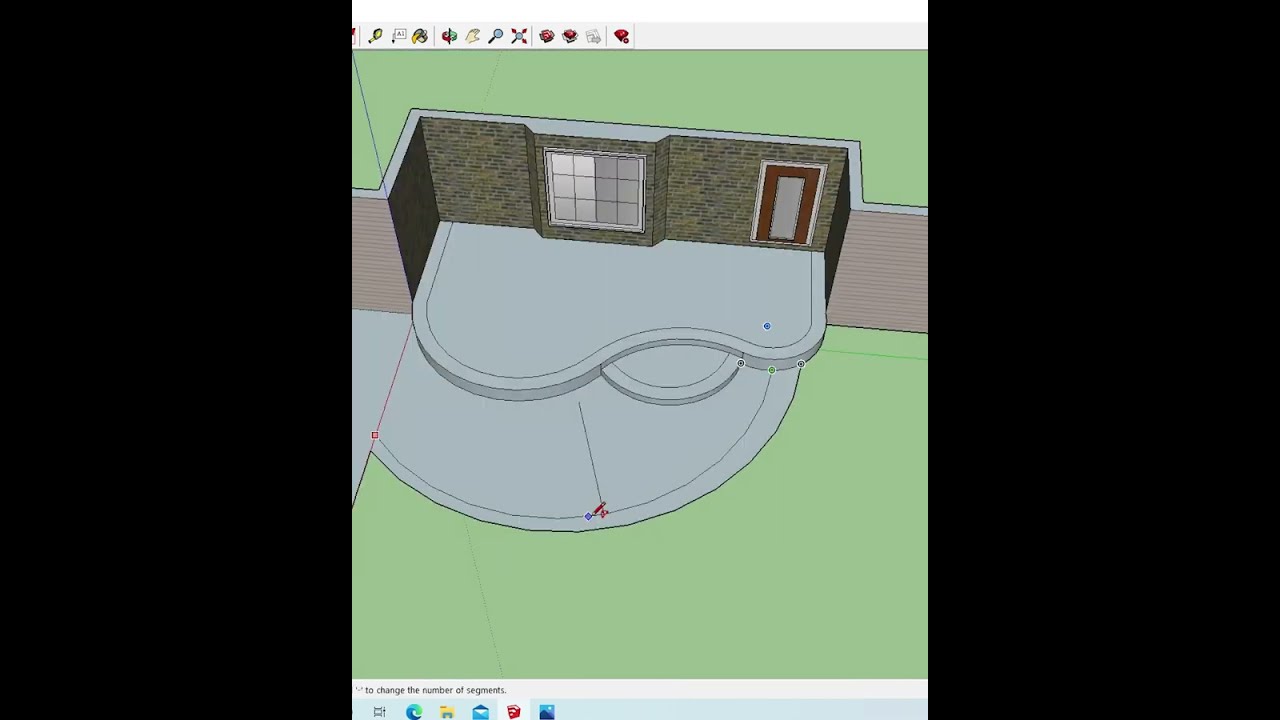
This is additionally when disintegration control actions go in: silt fences, inlet defense, and short-lived swales where called for. Regulators and next-door neighbors both care about sediment control, and repairing damage from unchecked overflow is far more costly than preparing for it.
Subsurface water drainage and utilities
Once the site is approximately shaped, underground job starts. This phase is commonly concealed in the final landscape, yet it regulates performance.
Subsurface drainage systems, such as perforated pipes, gravel trenches, and capture basins, assistance relocate water away from sidewalks and frameworks and alleviate hydrostatic pressure behind wall surfaces. In clay dirts or flat sites, these are not high-ends. They are crucial defenses against heaving, splitting, and soaked lawns.
Irrigation keys and laterals adhere to, in addition to control wiring or two-wire systems. The most effective time to mount these desires major grades are established yet prior to hardscape and growing. On business landscape design sites with water budgets or clever controllers, this is when flow sensing units, master shutoffs, and sleeves under sidewalks are installed.
Electrical avenue for lighting, outlets, and powered functions is usually collaborated here as well. Mindful transmitting avoids problems with origins, structures, and drain systems.
Hardscape: the bones of the landscape
With the ground shaped and the subsurface systems in place, focus transforms to the hardscape that people touch and see day-to-day: pavements, walls, actions, and structures.
Paving installments differ extensively in complexity. A small property outdoor patio may rest on a compressed gravel base with sand-set pavers. A business plaza may call for concrete subslabs, thicker bases, and precise inclines for access and drainage. Frost heave, load requirements, and dirt kind impact details like base density and support. Neglecting local problems often brings about uneven or broken surfaces within a few seasons.
Retaining wall surfaces should have special respect. Anything over a small height normally requires design, specifically if it sustains frameworks or auto parking over. Appropriate footing deepness, drainage behind the wall surface, weep openings, and appropriate backfill product are non-negotiable information. I have actually seen walls fail within 2 years since water drainage material was avoided and fine dirt obstructed the gravel zone. Reconstructing a stopped working wall surface prices greater than developing it right once.
Decks, pergolas, trellises, and exterior kitchen areas bridge right into the realm of woodworking and in some cases structural steel. Here the user interface with building regulations is tighter. Clear control between the landscape contractor, architectural engineer, and building inspector avoids mid-construction redesigns.
Soil prep work and planting
When the hardscape remains in and checked, the website starts to resemble a landscape rather than a building zone. This is when soil work starts in earnest.
Good growing dirt is not just whatever happened to be on website. It is a mix tailored to the plants, environment, and drainage. On commercial landscaping tasks, specs commonly ask for details soil mixes, organic content, and compaction degrees. Overly compressed soil stifles origins, yet under-compacted dirt can resolve under grass and sidewalks. Balancing these factors is part science, component craft.
In household landscape design, owners in some cases wish to save cash by skipping soil change. I normally show them 2 beds from a previous job, one with imported dirt mix and appropriate amendment, one with indigenous clay lightly tilled. After 3 years, the distinction in plant growth and maintenance expense tells the story much better than any sales pitch.
Planting itself is more than excavating holes. Key practices consist of matching plant option to microclimate, establishing root spheres somewhat high in heavy soils to aid drain, loosening up circling origins, and watering in extensively. On gusty or revealed sites, momentary staking can help trees establish, however over-staking develops weak trunks. Each website requires its very own judgement.
Turf areas, whether turf or seed, do best on a well-prepared, smooth subgrade with ideal soil deepness. Poorly rated yards are frustrating to mow and prone to water pooling.
Irrigation commissioning and water management
Once planting remains in, the watering system moves from setup to procedure. This step is frequently rushed, yet it has long-term repercussions for water expenses and plant health.
A detailed commissioning consists of flushing lines, checking each area for coverage and leakages, configuring controllers with seasonal water demands, and verifying that heartburn prevention gadgets are appropriately installed and examined where needed. On commercial landscaping jobs, local statutes may dictate hydrozone separation, drip watering percentages, or optimum rainfall rates.
Increasingly, smart controllers linked to weather information are used to make improvements watering. They work just as well as their shows and sensor positioning. A rainfall sensing unit hidden under a roofing overhang is nearly pointless. For property clients, a brief positioning on controller basics and seasonal modifications avoids a lot of lost water.
Lighting, surfaces, and details
Site lights mounts after a lot of hardscape is complete however before last growing cleanup. Proper fixture placement prevents glare into windows, reduces light contamination, and emphasizes wanted functions. In both garden landscaping and business job, I examine illumination after dark at the very least once during construction. Plans seldom catch the method light reflects off surface areas or takes on ambient street or structure lighting.
Final details consist of edging, mulch placement, joint sand in pavers, securing where specified, and adjustments to gateways or movable elements. These touches separate a harsh construction website from a finished landscape.
Residential vs commercial landscape design: various stress, very same fundamentals
Residential landscaping and industrial landscaping frequently feel like various worlds. One fixate personal taste and lifestyle, the various other on branding, code conformity, and upkeep budget plans. Yet the underlying building concepts remain the same.
On homes, the huge challenges tend to be budget plan limits, personal choices, and accessibility constraints. Lots of yards have only a slim side backyard for tools, which influences choices regarding heavy materials and huge trees. Communication with owners is consistent, and small adjustments can ripple via costs.
Commercial landscapes normally come with even more rigorous documents, several stakeholders, and strict timelines. The pressure is not from a property owner watching daily, yet from proprietors, occupants, and inspectors who anticipate safe, functional spaces from the first day. Upkeep staffs are usually separate from the construction group, so clear handover documentation and landscaping pasadena as-built strategies matter more.
Despite these differences, both project kinds depend on strong grading, appropriate drain, realistic design information, and disciplined sequencing. A split plaza before an office complex and a stopping working backyard patio typically share the very same root causes.
Working with specialists: agreements, expectations, and changes
From the customer side, one of the most important decisions is just how you engage with experts. Some hire a design-build company that manages both landscape style and building. Others deal with an independent landscape engineer or developer, after that bid the building separately.
Each path has advantages and disadvantages. Design-build can streamline interaction and minimize disputes considering that one team holds both layout intent and construction responsibility. Bidding process to several specialists can create competitive rates and enable more direct control over design, yet requires extra coordination and a more powerful agreement to protect the style integrity.
Regardless of framework, a clear created extent of work, timetable, and settlement terms are non-negotiable. Unclear summaries invite misconceptions. A good agreement references the drawings, specifications, and any kind of addenda, and it describes how adjustments will be handled.
Change orders are a regular component of landscape construction. Unanticipated problems appear, clients change preferences, or towns enforce extra needs. The secret is to document each change, including its expense and timetable impact, prior to job earnings. Spoken contracts made in the mud have a tendency to be valued in a different way later.
Common risks and just how to prevent them
Across lots of projects, a handful of recurring errors cause the majority of the lasting issues. Watching on them pays dividends.
- Underestimating water drainage. Superficial slopes, missing out on catch containers, or badly placed downspouts bring about soggy grass, slippery pavements, and structural issues. Water requires a scheduled path far from frameworks and hardscape. Neglecting dirt top quality. Planting into compacted subgrade or slim soil layers creates constant plant stress, higher substitute rates, and a lot more irrigation demand. Rushing sequencing. Setting up planting before heavy hardscape job is full practically assurances damage. Putting concrete before subsurface utilities are finalized triggers costly cuts and patches. Overcomplicating details. Complex patterns, little cut items of pavers, or complex level modifications include labor and maintenance without constantly improving function or appearance. Ignoring maintenance fact. Designs that need consistent trimming, specialized devices, or tight-tolerance upkeep are seldom kept as intended, particularly in business settings.
Awareness of these pitfalls aids both clients and service providers ask the ideal inquiries early.
Handing the landscape off to maintenance
Landscape building finishes when the service provider leaves, but the landscape itself is simply starting its life. The first year is vital. Plants develop roots, dirts settle, and small drainage patterns disclose themselves.
A correct handoff consists of clear maintenance guidelines, irrigation schedules, plant food recommendations, and pruning notes for crucial plant groups. On commercial landscape design jobs, I typically convene a short on-site walkthrough with the maintenance team prior to the professional leaves. We examine valve places, controller shows, accessibility courses, and any unique attributes such as filtration systems in bio-retention areas.
On domestic landscape design, a comparable walkthrough with the owners makes a difference. Also customers who employ gardeners take advantage of understanding the logic of their landscape: which areas favor much less water, which trees need defense from mower, exactly how to spot early signs of pest issues.
Most agreements consist of a warranty period for plants and created aspects. That warranty normally depends on correct upkeep. If irrigation is shut off or plants are never ever watered, the guarantee will not cover failures. Making clear these responsibilities avoids friction.
Bringing all of it with each other on site
From the outside, landscape construction appears like sound, dust, and a flock of professions. Seen from inside, it is a series of choices and activities that transform a plan into an operating exterior environment.
Successful jobs, whether intimate yard landscaping or extensive industrial universities, share a few silent practices. They purchase comprehending the website before committing to style. They work with style and building and construction information so joints, qualities, and utilities line up. They respect the order of job to ensure that each step develops a structure for the next, literally and figuratively. They document modifications rather than improvisating on the fly.
Most essential, they keep in mind that a landscape is not practically opening day photos. It is a living system that must endure weather, wear, and the truths of maintenance. When grading, drain, soil, and structure are handled with treatment, the noticeable components of the landscape, from growings to sidewalks, have the assistance they need to prosper for years.
From plan to yard, that is the actual action of excellent landscape construction.